Will Oil Make Rubber Flexible Again
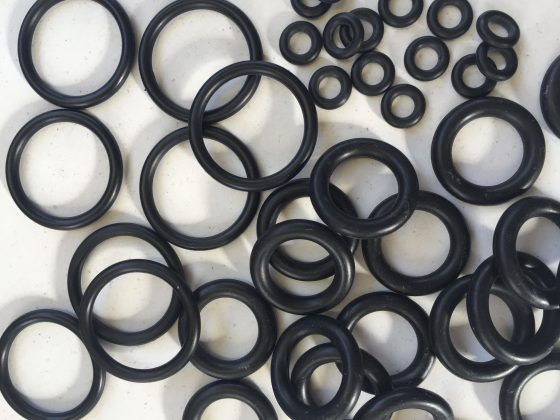
Restoring rubber tin exist done under the right circumstances, whether additional deposition is from heavy usage of the part, wrong specification or design for the application in question, or the gradual degrading outcome of conditions.
Rubber, like many organic materials, has a definite shelf-life; one which depends on the type of safety in question, and which diverse outside factors can speed up.Deterioration of rubber items can get significant over time, eventually leading to full failure of the prophylactic part which can of course have potentially catastrophic consequences. This may mean a minor inconvenience, or become a catastrophic outcome such equally a seal failure assuasive fluid or pressure leakage, with either faults existence immediately obvious, or, just as apropos, long term unnoticed deterioration of a vehicle or construction. But such damage or weathering need non necessarily spell the terminate of life for a rubber seal or product, which tin potentially be costly, or in applied terms, difficult to replace. With the right rubber restoring techniques, and a sufficient level of care and maintenance, rubber seals or products of certain polymer types can often be brought dorsum from the brink of failure and restored to functionality. Read on, and we'll show you how to help your rubber part live a longer life, in easy to follow steps.
Select the ideal rubber restoring products
You can't do a good job without the right tools for the situation; there is a particularly wide range of rubber restoring products on the market, which can brand it much harder to decide what is the best method and products to use. Fortunately, when restoring rubber seals, you can frequently get very expert results only by using a combination of easy to find household cleaning products, along with a few more than specialist products. Depending on the extent of the restoration you are dealing with, you will need some or all of these:
- A dry out cotton cloth
- Small bristled brush
- Abrasive File
- Coarse and fine grades of Emery or Aluminium Oxide sanding fabric
- Diluted bleach (3 measures of h2o to every 1 of bleach) OR mild lather
- Protective gloves
- Protective floor roofing
- Almond oil
- Prophylactic solvent (generally turpentine or naphtha (petroleum) based)
- Condom conditioner (brand names such as Sonax, Wurth, Meguiars etc take suitable products)
- Cooking pot/saucepan (you're not going to desire to use this for cooking subsequently, so use an onetime or cheap selection here)
- Tongs
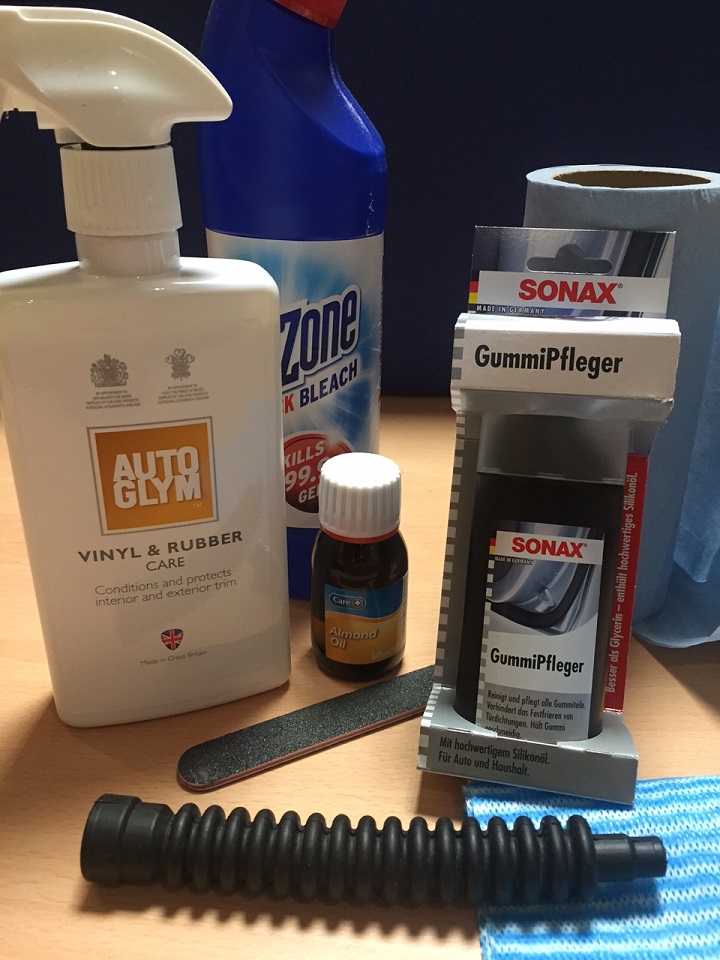 Please note that not all of these may be needed to clean the particular safety seal in question; a combination of some or all may be required, depending on circumstances and the type of rubber involved. These products are nigh suitable for natural rubber grades, while constructed rubber types such as Neoprene, Nitrile, Viton and Silicone may require different products. Consult the literature relevant to the production you are using, or call us for advice.
Grooming
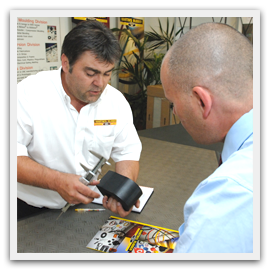 Outset things first, clear any debris and detritus from the rubber item that y'all intend to restore. Ensure that you clean off any paraffin wax that has leached out of the prophylactic as well; a miracle known as blooming that occurs more every bit rubber ages. The rubber solvent listed above makes the removal of any methane series a lot easier though the wax may however take a niggling while to soften.
Initial scrub and make clean
Side by side, information technology'south a good idea to give the safety seal a expert scrub; not just will cleaning off any excess dirt improve the seal aesthetically, but volition assist prevent time to come vesture and tear as clay chafes the safe against mating surfaces over time. Depending on how heavily soiled the safe is, you lot may need to utilise dissimilar cleaning materials. For lighter levels of dirt, warm water and a mild soap volition exist more than than sufficient. Heavier levels of clay, or the presence of mould and mildew, volition instead require the application of the diluted bleach mix that we listed above. After giving the prophylactic a quick clean with the water and advisable cleaning substance, wash off the item and clean the rubber part downwards with the material. Then allow the part to thoroughly dry.
Apply a rubber conditioner
The specific rubber conditioner yous choose to utilize often a case of personal preference having checked the manufacturers product information; one time you have made sure the product you are considering is suitable for your rubber parts, the final option depends far more on the availability of the product to you lot; most hardware stores or auto centres should be able to provide a multifariousness of rubber conditioners, and of course on-line shops can provide side by side mean solar day delivery in most countries! Rub the rubber conditioner thoroughly into the seal (utilize a dissimilar cloth to the one in the previous stage, so that y'all practise not transfer dirt or cleaner back onto the safety!). In one case it has been worked in, and the rubber is completely saturated, wipe off the excess conditioner. Rubber conditioners if spilt on the floor can often exit a slippery patch, utilize the flooring roofing to catch annihilation accidentally spilt as this may forestall a slip or fall!
Remove excessively damaged pieces of seal
Fifty-fifty with the most comprehensive techniques for restoring rubber, some seals may have areas of rubber that are too far gone to be fully repaired; if the previous steps are unable to enliven them, it may be ameliorate for the overall function of the seal to remove doubtable areas completely. The obvious caveat here is that, given the often extremely specific size of prophylactic seals; removing too much can make the seal useless! Do make sure that the rubber in question will still contact the required mating surface with sufficient date to role correctly. Depending on the precise circumstances, repairs with a super-glue or contact adhesive may rescue the part and provide further useful service life. Apply the file or abrasive Emery cloth to gently buff off and remove the damaged areas of prophylactic; y'all will need to be firm enough to make an impression, while beingness careful enough to not remove excessive amounts. Once you have removed all the damaged sections, reapply rubber conditioner to the abraded areas to restore protection as per the previous step.
Alternative methods
For smaller, lightly weathered rubber seals, a simpler method is sometimes just equally constructive; eddy some water in the saucepan, add a minor corporeality of soap, and submerge the seal. Every 5 minutes or so, remove the seal using tongs and test its flexibility and status. The time taken for the safety to exist restored will vary from case to case, but information technology can be just every bit effective, and less labour intensive than the previous method! Scrubbing smaller, lightly soiled rubber seals with almond oil is too an effective, uncomplicated option, restoring lost flexibility and cleaning away dirt and grime.
The post Restoring damaged or weathered rubber seals – a guide appeared get-go on Martin's Rubber Visitor.
Source: https://www.martins-rubber.co.uk/blog/restoring-damaged-or-weathered-rubber-seals-a-guide/
0 Response to "Will Oil Make Rubber Flexible Again"
Post a Comment