Manure Biodigesters Used in Beef and Dairy Industries
Biodigesters in mini size with major benefits
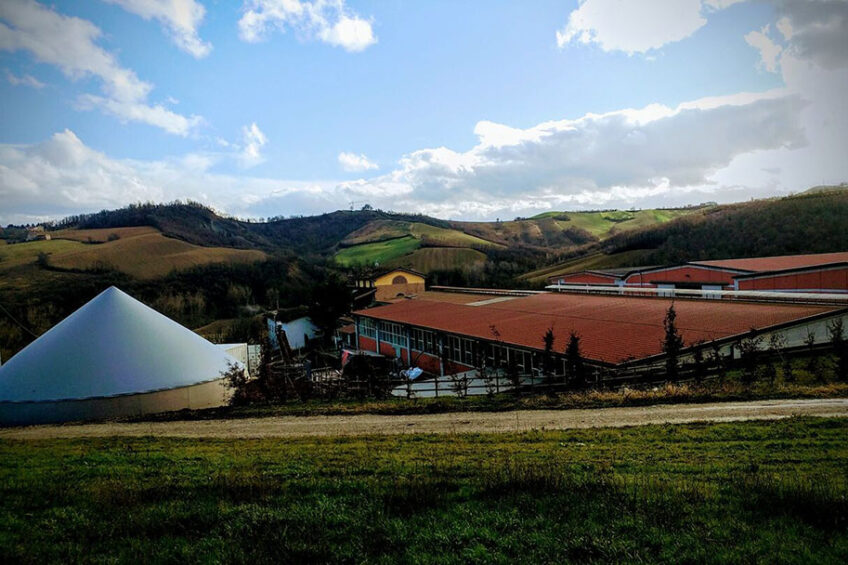
The use of mini-digesters is increasing on dairy farms in Europe and North America. Hither we look at what is on offer.
Reducing carbon emissions on dairy farms is a disquisitional goal right now, not least to evidence consumers that dairy farmers are doing their bit to dull global warming and that dairy products are sustainable.
Biodigesters are the most constructive way to slash methane emissions from manure, as methane plays an intense function in the current warming of our atmosphere. (The other source of marsh gas from cattle is their burps.)
Besides greatly reducing methane from manure, biodigesters generate rut that can be used to estrus subcontract buildings. They likewise generate electricity for the farm from burning the scrubbed methane (CO2 is produced from the subcontract'south manure, simply it is a much less intense greenhouse gas than methyl hydride). The farm'due south electricity bills are therefore lower, which helps the digester pay for itself. In addition, some jurisdictions enable farmers and others to sell backlog electricity to the local electricity provider, creating another farm revenue stream.
The employ of a digester to procedure manure, compared to a manure lagoon or the application of raw manure to fields, too greatly reduces manure odour.
Mini size, many benefits
Because biodigesters are pricey and not viable for farms with lower numbers of cows, some farm technology firms have created and marketed mini-digesters. 'Minis' are a fraction of the cost of their full-sized cousins and provide many other advantages. They generally require only a simple permit from the local government – an in-depth impact cess that is compulsory in some jurisdictions for full-sized versions is non needed. Minis come pre-synthetic and are very quick to install. There are 2 parts: the digester and the attached self-independent control system.
Minis are designed to run on manure alone, whereas their larger cousins often take a requirement for off-farm feedstock (especially fats) in guild to ensure the bacteria can thrive properly. In general, the farmer just needs to cheque in with the mini for well-nigh 10 minutes a day, accessing the control system readout online.
Extent of utilize
Among those companies that currently offer minis is Biolectric of Belgium. The firm has installed 300 minis, almost all of them (295) in Europe and the rest in North America. Almost all (285) are located on dairy farms, with the residue by and large on pig farms and a few installed at wastewater handling plants and small food factories.
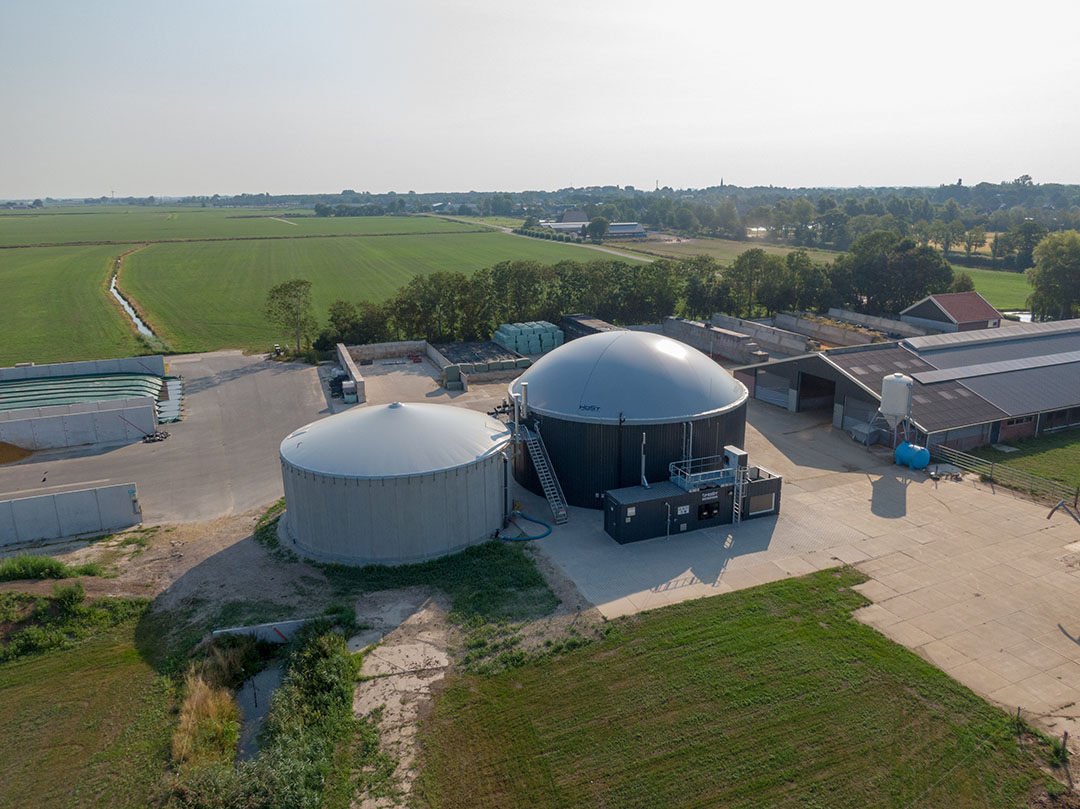
"5 dairy farmers who bought between 2011 and 2013 have ordered a second 1," adds Klaas Vanhee, Biolectric's commercial manager. "More than 15 have done an upgrade to lucifer the mini-digester with their growing farms." If farmers aren't certain if they want to buy a mini, Biolectric offers the option to lease one to endeavor it out. The visitor also offers maintenance contracts that guarantee downtime to be less than x%.
HoSt, based in the Netherlands, also sells minis. In that location are 20 of their Microferms already installed, with others under construction in kingdom of the netherlands and France and ane in Germany.
Minis are also already used in developing countries, constructed every bit part of carbon credit schemes. (Biolectric minis, for instance, can prevent the equivalent of 45 to 940 tonnes of CO2 a twelvemonth from inbound the atmosphere depending on their size.)
For instance, global energy sector company, Full Energies, has a ten-year carbon offset pledge with the GoodPlanet Foundation (one of the world's biggest CO2 showtime organisations) to fund pocket-size manure biodigesters in the rural regions of Telangana, India. Another global free energy firm, BP, funds the BIRU manure biodigester projection in Republic of indonesia that has already enabled over 100,000 people beyond 10 rural provinces to benefit from biogas for cooking, heating and electricity.
Indeed, Mexico-based digester firm, Sistema.bio, estimates that 400 meg smallholder farmers worldwide could use pocket-sized biodigesters to run into domestic energy and biofertiliser needs, generating savings and increasing yields and incomes.
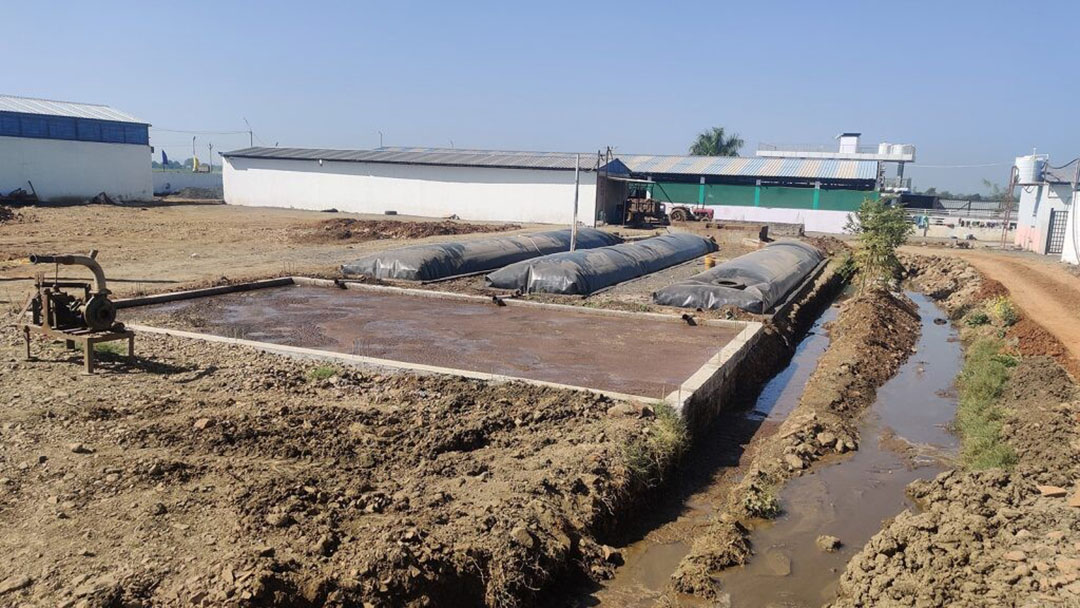
Sistema has a example study of a dairy farmer in Republic of india with about 200 cows which installed a Sistema.bio digester (35 m3) around 2 years ago. His system provides plenty gas for his family, for cooking in 8 subcontract labourer households and for processing cattle feed and intermittent electricity generation. His digestate 'biofertiliser' has helped save fertiliser costs and increased his yields. This farmer is also selling biofertiliser.
A closer look
Biolectric offers 7 mini models from 9.7 kW to 74 kW. At least i,500 m3 of slurry per yr is needed (80 cows) for the smallest one, and about 200 m2 of infinite. It automatically pumps a fixed amount of manure from the reactor to the digestate storage every twenty-four hours and supplements the discharged volume with fresh manure from the manure pit. The MyBiolectric app informs a farmer in real-fourth dimension how much electricity is existence produced and how adjustments tin can increase digester efficiency.
The cost ranges from € 125,000 to € 500,000. Vanhee says the payback period is betwixt three and ten years, depending on the state, size and extra investments needed on a particular farm. "Most European countries," he adds, "have both investment grants – up to 40% of the cost – and 'feed-in-tariff' programmes for electricity and heat." Some funding and feed-in-tariff programmes are as well available in North America.
The Microferm is ideal for dairy farmers with at least 250 cows and a manure production of at least 7,500 m3, says Tamarah Swensen, HoSt marketing communications manager. "We likewise have a Microferm+, a slightly larger calibration digester suitable for other feedstock than only 100% manure," she explains. It provides processing of v,000 to 10,000 tonnes of feedstock per twelvemonth, such as manure, maize silage, grass cuttings and organic waste. Its biogas can supply about 360 European households for annual cooking and heating.
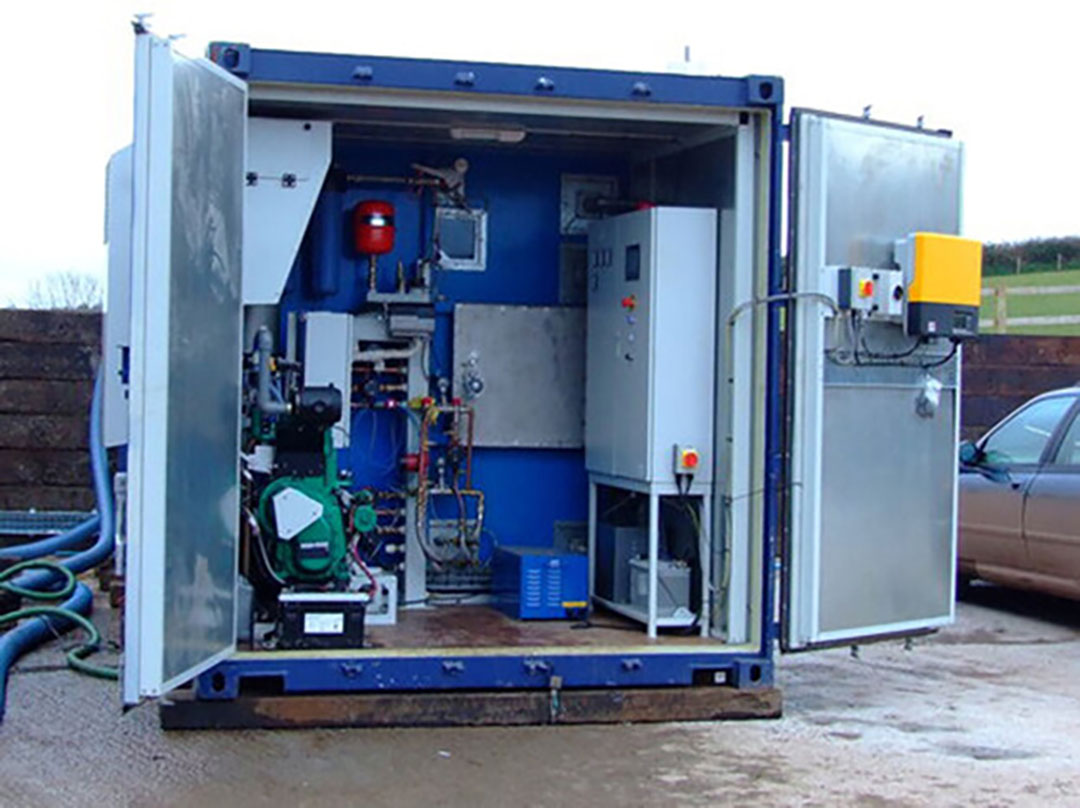
In terms of other minis on the market, the Valentin from Deutschland-based PlanET Biogas is available in 75 to 150 kW sizes depending on the substrate used. ATT of Germany markets a mini designed for 100 to 400 cows. Great britain-based SEaB Energy offers the Muckbuster, delivered to site in several standard shipping container units and operational inside near two weeks.
Qube Renewables, also in the United kingdom of great britain and northern ireland, offers the BioQUBE, a mini that can be configured for each site to allow multiple digesters running from a single feed system along with biogas storage, energy generation and digestate pasteurisation. It tin can be used in conjunction with the company's LagoonQUBE, a digester that floats in the manure lagoon. Each modular, hexagonal unit covers 94 m2.
Sustainability projects
In 2020, a Microferm was installed in Blokzijl (in the eastern part of the Netherlands) as part of the third cooperative Jumpstart projection that HoSt has been involved in since 2018. Jumpstart is an initiative of dairy cooperative FrieslandCampina that facilitates the adoption of manure digesters.
SEaB (Muckbuster) is a partner in the Berkeley – Andhra Smart Hamlet programme, a collaborative initiative between the government of Andhra Pradesh in Republic of india and the University of California, Berkeley.
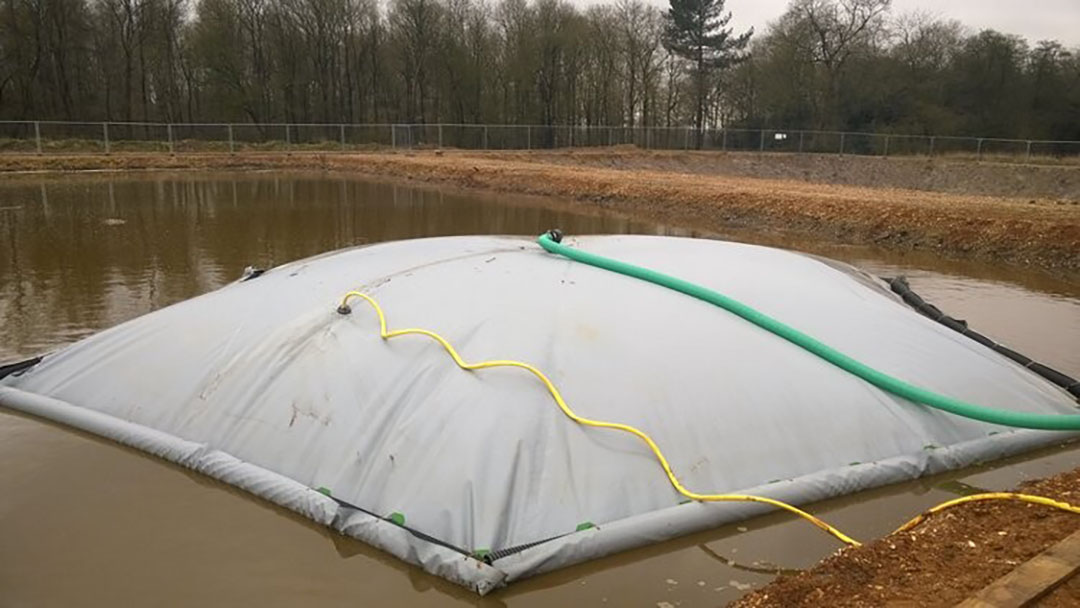
Biolectric is a sustainability partner of large agronomical co-ops such as ALCCP, Sodiaal and FrieslandCampina. Biolectric was called by the University of Cambridge to equip their Park Farm (nigh 200 dairy cows). In September 2021, the Park Farm hosted the Farming for Clean Air prove where the new T6.180 Methane Power tractor (made by New Holland) was demonstrated, powered of grade, by methane from the Park Farm'southward digester.
In 2018, Biolectric started marketing an addition to its mini: the Nitrogen Stripping Unit. This is a second container that enables the farmer to 'strip" nitrogen out of the digestate and produce on-farm fertiliser. Vanhee says that this can replace very energy-consuming artificial fertiliser. The unit of measurement costs € 150,000.
Source: https://www.dairyglobal.net/industry-and-markets/market-trends/biodigesters-in-mini-size-with-major-benefits/
0 Response to "Manure Biodigesters Used in Beef and Dairy Industries"
Post a Comment